

The landscape of food safety is continuously evolving, with new and re-emerging foodborne pathogens posing significant challenges to public health. These pathogens, which can contaminate food at any stage from farm to table, are responsible for causing a range of illnesses, some of which can be severe or even fatal. Understanding these emerging threats and developing strategies to mitigate them is crucial for ensuring the safety of our food supply.
What are the Emerging Foodborne Pathogens?
Emerging foodborne pathogens are microorganisms, such as bacteria, viruses, parasites, and fungi, that have recently appeared in a population or have existed but are rapidly increasing in incidence or geographic range. These pathogens can enter the food supply through various channels, including contaminated water, soil, animal products, and human handling. Factors contributing to their emergence include changes in agricultural practices, global trade, climate change, and evolving human demographics and behaviors.
Notable Foodborne Pathogens?
Below is an in-depth look at some of the most notable emerging foodborne pathogens:
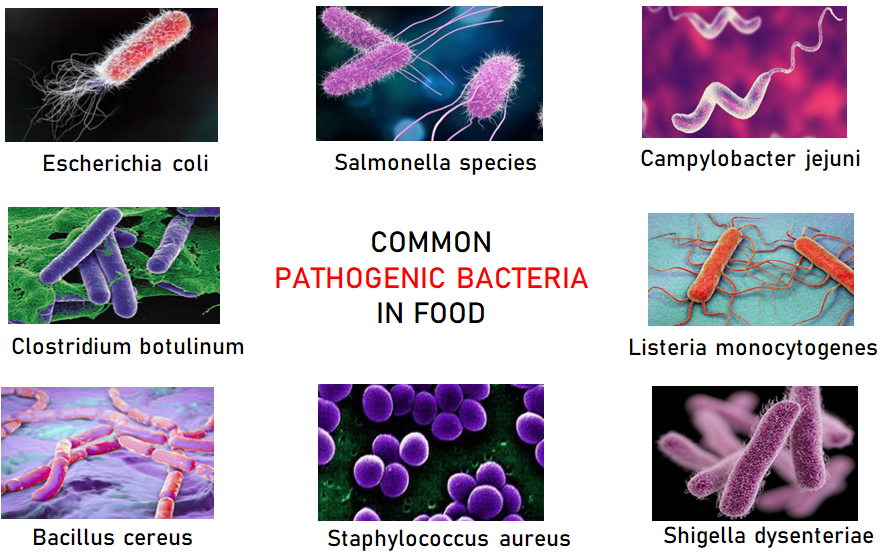
1. Escherichia coli O157:
A particularly virulent strain of E. coli, this pathogen is often linked to undercooked ground beef, raw milk, and contaminated produce. It can cause severe gastrointestinal illness and hemolytic uremic syndrome, a potentially life-threatening condition.
2. Listeria monocytogenes:
This bacterium is capable of growing at refrigeration temperatures and is commonly found in ready-to-eat meats, dairy products, and produce. Listeriosis, the infection it causes, can lead to severe outcomes, especially in pregnant women, newborns, the elderly, and immunocompromised individuals.
3.Campylobacter jejuni:
Frequently associated with poultry, unpasteurized milk, and untreated water, Campylobacter infections can cause gastroenteritis and are a leading cause of bacterial foodborne illness worldwide.
4. Norovirus:
Often referred to as the “stomach flu,” norovirus is highly contagious and can spread through contaminated food, water, and surfaces. It is a leading cause of gastroenteritis outbreaks.
5. Salmonella spp.:
With numerous serotypes, Salmonella is a common cause of foodborne illness linked to a wide range of foods, including eggs, poultry, meat, and produce. Infections can result in severe gastrointestinal illness and systemic infections.
6. Cronobacter sakazakii:
Known for its association with powdered infant formula, Cronobacter can cause severe infections in infants, including meningitis and sepsis.
Factors Contributing to the Emergence of Pathogens
Increased global trade and travel facilitate the rapid spread of pathogens across borders. Foods produced in one part of the world can quickly reach consumers thousands of miles away, potentially spreading contamination. Here are the primary contributors:
1. Changes in Agricultural Practices:
Intensive farming practices, the use of antibiotics in livestock, and the integration of animal and crop farming can create environments conducive to the emergence and spread of pathogens.
2. Climate Change:
Altered weather patterns, such as increased temperatures and changes in precipitation, can influence the survival and proliferation of pathogens in the environment.
3. Urbanization and Population Growth:
Increased urbanization and population density can lead to more frequent and widespread foodborne illness outbreaks due to crowded living conditions and increased demand for food.
4. Human Behavior:
Changes in dietary habits, such as the consumption of raw or minimally processed foods, can increase the risk of exposure to foodborne pathogens.
Strategies for Mitigation
Robust surveillance systems are essential for detecting and responding to emerging pathogens. This includes monitoring foodborne illness outbreaks and tracking pathogen trends in the food supply. Some strategies for mitigation for these issues are:
1. Improved Food Handling Practices:
Education and training for food handlers on proper hygiene and food safety practices can reduce the risk of contamination. This includes safe cooking temperatures, cross-contamination prevention, and proper storage.
2. Technological Innovations:
Advances in technology, such as rapid detection methods, whole genome sequencing, and blockchain for traceability, can enhance the ability to identify and control foodborne pathogens.
3. Research and Development:
Continued research is needed to understand the mechanisms of pathogen emergence and develop effective interventions. This includes studying pathogen biology, ecology, and the development of new antimicrobial treatments.
4. Facility operating with valid Food Safety Management System (FSMS):
Strong regulatory frameworks and standards are crucial for ensuring food safety. This includes regulations on food production, processing, and distribution, as well as enforcement mechanisms. Examples of an effective FSMS in Malaysia are:
- Halal Certification
- Good Manufacturing Practice (GMP)
- Hazard Analysis and Critical Control Point (HACCP)
- ISO 22000
- FSSC 22000



5. Public Awareness and Education:
Raising awareness about foodborne pathogens and promoting safe food handling practices among consumers can help reduce the risk of illness. By informing and educating the public about safe food handling practices, the risks associated with foodborne pathogens, and the steps they can take to protect themselves, we can significantly reduce the incidence of foodborne diseases.
Conclusion:
Emerging foodborne pathogens represent a dynamic and complex challenge for food safety professionals. As the factors driving their emergence continue to evolve, so too must the strategies to detect, prevent, and mitigate these threats. Through a combination of surveillance, technology, regulation, and education, it is possible to enhance food safety and protect public health against these emerging pathogens.
Wish to know more about Food Safety Certification for your business? Book our limited FREE Consultation right now!


