
Definition of Active Medical Devices
According to Medical Device Regulations 2012, active medical devices means any instruments or apparatuses that operation depends on a source of electrical energy or power, other than that generated directly by the human body to perform their intended medical functions. Examples of active medical devices include electrocardiogram (ECG) machines, pacemaker, medical lasers etc.
Regulatory Framework of Medical Devices in Malaysia
The regulation of medical devices in Malaysia is overseen by the Medical Device Authority (MDA), which operates under the Ministry of Health Malaysia. The regulatory framework is based on the Medical Device Act 2012 (Act 737) and the Medical Device Regulations 2012. The Act defines medical devices broadly, covering a wide range of products, including active medical devices.
For active medical devices, manufacturers must comply with the Essential Principles and Conformity Assessment procedures outlined in the regulations. The Essential Principles cover aspects such as safety, performance, and risk management, ensuring that active medical devices meet the necessary standards before they are placed on the Malaysian market.
Importance of Active Medical Devices in Malaysia Healthcare
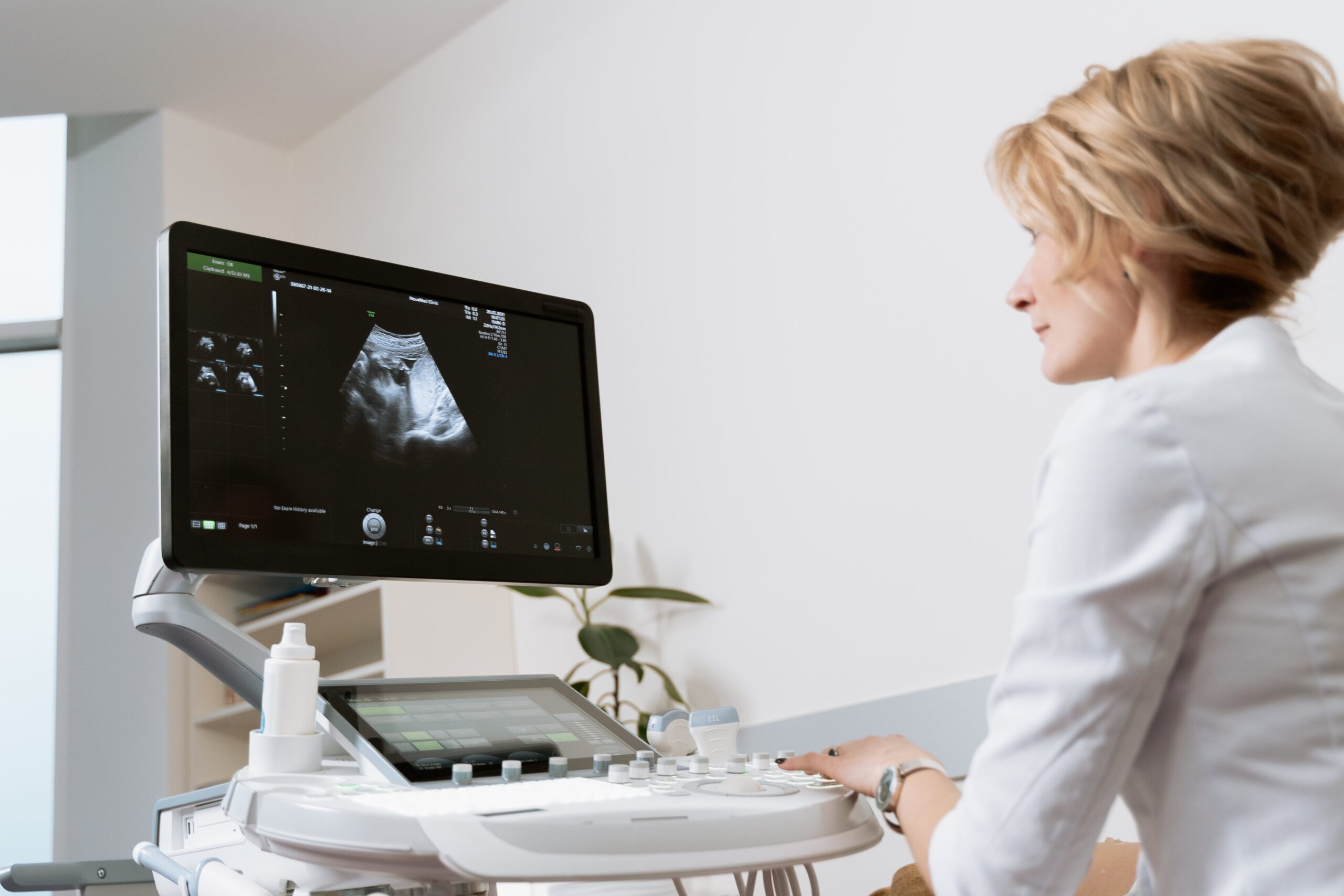
Active medical devices in Malaysia play an important role in modern healthcare, contributing significantly to the diagnosis, monitoring, and treatment of medical conditions. These devices enhance the capabilities of healthcare professionals, allowing for more accurate and timely interventions. The following are key areas where active medical devices make a substantial impact:
Diagnostic Accuracy:
Devices such as MRI machines, CT scanners, and laboratory analyzers assist in the accurate diagnosis of diseases and conditions. This enables healthcare providers to tailor treatment plans specifically to the unique needs of each patient.

Monitoring and Surveillance:
Devices such as continuous glucose monitors, cardiac monitors, and respiratory ventilators help healthcare professionals monitor patient’s conditions in real-time. This continuous monitoring allowing for prompt responses to any changes in patient’s health status.
Minimally Invasive Procedures:
Medical lasers, robotic surgical systems, and other advanced technologies enable healthcare providers to perform minimally invasive procedures. This approach reducing patient recovery times and likelihood of complications.
Conclusion
Wish to know more about GDPMD for your business? Book our limited FREE Consultation right now!


