

Food safety violations in the workplace pose significant risks to both employees and consumers. Whether in restaurants, food processing plants, or catering services, adherence to food safety protocols is paramount. However, lapses in hygiene, improper storage, and inadequate training can lead to contamination and foodborne illnesses.
In this article, we take a closer look at the common food safety violations in the workplace and underscores the importance of stringent measures to ensure the well-being of all stakeholders.
Understanding the Food Safety & Quality Management
Food safety and quality management are critical aspects of the food industry, refers to the practices and procedures implemented to ensure that food is safe for consumption, free from harmful contaminants, and does not pose a risk to public health. It encompassing various practices, standards, and regulations aimed at ensuring that food products are safe for consumption and meet defined quality standards. It involves 6 key components:


1. Personal Hygiene
Personal Hygiene is critical in preventing the spread of pathogens from food handlers to consumers. This includes practices such as frequent handwashing with soap and water, wearing clean clothing and appropriate protective gear (such as hairnets and gloves), avoiding working while sick, and maintaining overall cleanliness.GMP is a set of principles and guidelines established to ensure the consistent production of safe, high-quality, and effective products in industries such as pharmaceuticals, food and beverages, cosmetics, and dietary supplements. GMP guidelines provide a framework for manufacturing processes, facilities, personnel, and quality management systems to minimize risks associated with product contamination, errors, and deviations from quality standards.
2. Food Handling Practices
Food handling practices are essential to prevent cross-contamination and microbial contamination of food. This involves separating raw foods from cooked foods to prevent the transfer of harmful bacteria, using separate cutting boards and utensils for raw and cooked foods, cooking foods to the appropriate internal temperatures to kill pathogens, and avoiding the use of expired or contaminated ingredients.
3. Temperature & Time Control
Maintaining proper temperatures and time during food storage, preparation, and serving is crucial for inhibiting the growth of bacteria and other pathogens. Refrigeration and freezing help slow down the growth of bacteria, while cooking food to specific temperatures and optimum time will kills harmful microorganisms. Temperature and time control measures also apply to food transportation and holding to prevent bacterial proliferation.
4. Cleaning and Sanitization
Thorough cleaning and sanitization of food contact surfaces, equipment, utensils, and food preparation areas are essential for preventing the buildup of bacteria and other contaminants. Cleaning removes visible dirt and debris, while sanitization kills remaining microorganisms. Proper cleaning and sanitization protocols help minimize the risk of foodborne illness and maintain a hygienic environment.
5. Hazard Analysis and Critical Control Points (HACCP)
HACCP is a systematic approach to food safety that identifies potential hazards in food production processes and establishes critical control points to prevent, eliminate, or reduce these hazards to safe levels. It involves conducting hazard analysis, implementing control measures, monitoring procedures, and maintaining records to ensure the safety of food products.
6. Food Safety Training and Awareness
Educating food handlers and employees about food safety practices and procedures is essential for promoting compliance and preventing foodborne illnesses. Training programs cover topics such as proper food handling techniques, personal hygiene practices, temperature control, cleaning and sanitization protocols, and the importance of HACCP principles.
Common Food Safety Violations in the Workplace
Food safety violations occur when there is a failure to adhere to established food safety standards and regulations, leading to practices or conditions that increase the risk of foodborne illness or contamination. These violations can occur at any stage of the food production, processing, distribution, or service process. Here are some common types of food safety violations:
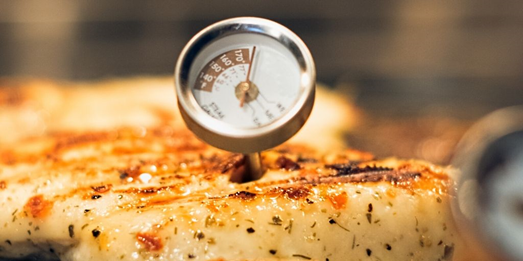
1. Foods held at improper temperatures
Improper temperatures allow bacteria to grow fast. These bacteria are responsible for foodborne illnesses like salmonellosis, E. coli Infection, campylobacteriosis, and cholera among others.
Short-term corrective measure involves:
- keeping all foods out of the ‘Danger Zone’ (5 °C and 60 °C).
- food should not be out of refrigeration for more than two hours.
- hot food should stay hot at 60 °C or above, and cold food should stay cold at 5 °C or below (temperature control).
Long-term measure includes:
- temperature control at 5 °C or below, or 60 °C or above.
- foods also require re-heating until they steam or become hot within two hours
2. Improper hand-washing procedure
This can cause various foodborne diseases as viruses and bacteria multiply fast in less than 20 minutes. Short-term and long-term measures include proper hand-washing procedures. This includes rubbing all parts of the hands, thorough rinsing and drying. This involves:
- Wet both hands with clean, running water (warm or cold), turn off the tap, and apply soap
- Lather your hands by rubbing them together with the soap. Lather the backs of the hands, between the fingers, and under the nails.
- Scrub both hands for at least 20 seconds.
- Rinse your hands well under clean, running water.
- Dry your hands using a clean towel or an air dryer.
3. Bare-hand contact with ready-to-eat foods
This is responsible for transmissions of bacteria and viruses which cause foodborne diseases. Short-term and long-term inventions involve avoiding a bare-hand contact with ready-to-eat foods. Therefore, employees should use barriers like spoons, tongs, gloves, and papers.
4. Bare-hand contact with ready-to-eat foods
This can cause the spread of bacteria from the restroom. The employee should practice proper hand hygiene that involves thorough washing of hands with anti-bacterial soaps and drying the hands afterwards. The employee can then use sanitizer when entering food area.
5. Facility operating without valid Food Safety Management System (FSMS)
The facility can distribute adulterated and contaminated foods, which are responsible for most foodborne diseases. Short-term and long-term interventions involve stopping operation until the business acquires valid health permit to enhance safety and hygienic food preparation, protect buyers from illicit foods, and prevent foodborne illnesses. Examples of an effective FSMS in Malaysia are:
- Makanan Selamat Tanggungjawab Industri (MeSTI)
- Good Manufacturing Practice (GMP)
- Hazard Analysis and Critical Control Point (HACCP)
- ISO 22000
- FSSC 22000



Conclusion:
Food safety violations in the workplace represent a significant challenge that requires immediate attention and action. By addressing issues such as poor personal hygiene, cross-contamination, temperature abuse, inadequate cleaning, sanitization, and lack of employee training, businesses can uphold the highest standards of food safety. It is imperative for employers to prioritize food safety initiatives, invest in employee education and training, and implement robust protocols to safeguard the well-being of everyone involved in the food supply chain. Only through collective efforts can we mitigate the risks posed by food safety violations and ensure a healthier, safer future for all.
Wish to know more about Food Safety Certification for your business? Book our limited FREE Consultation right now!


